Cystic Acne
Understanding Cystic Acne
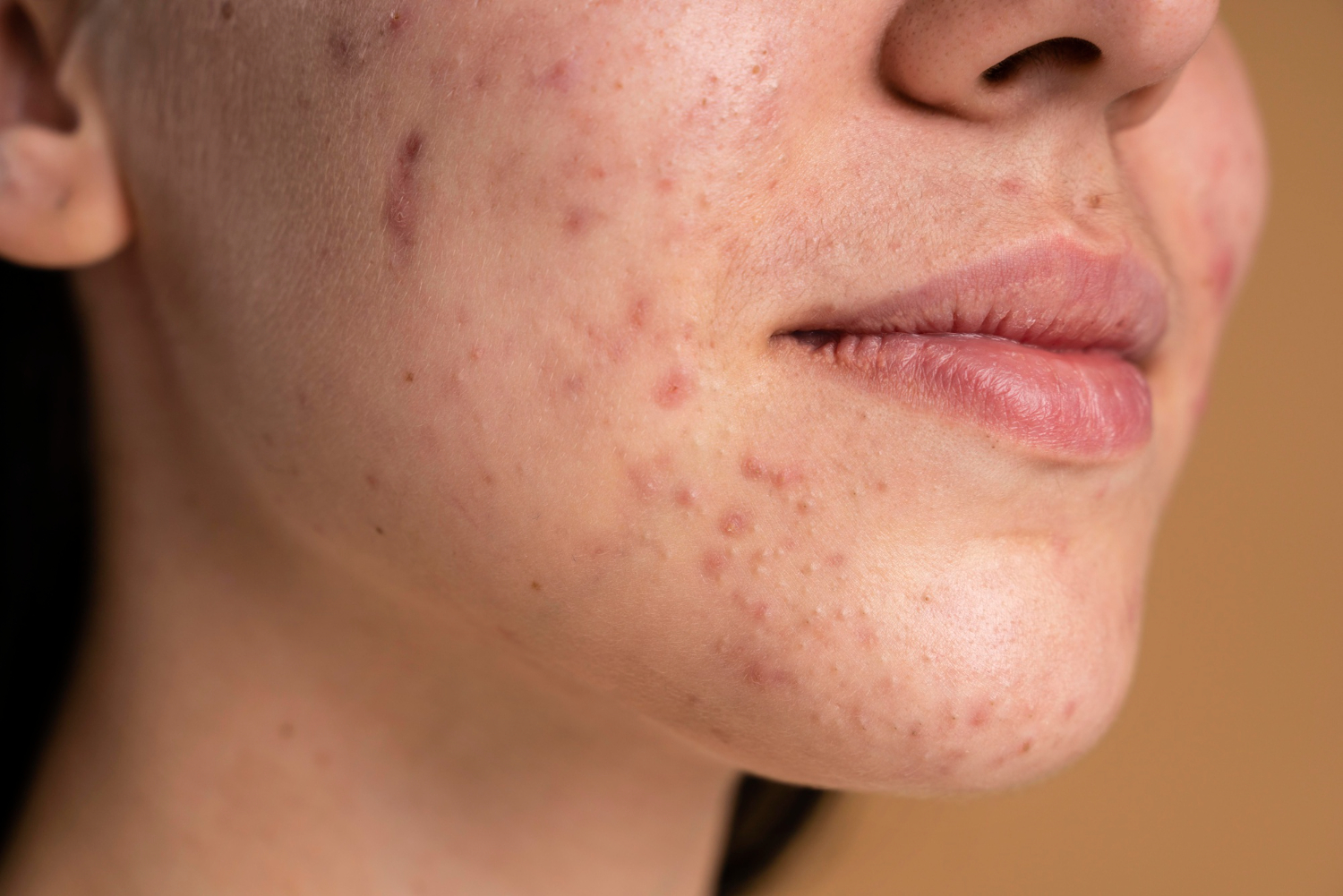
Cystic acne is a severe form of acne in which deep, inflamed lesions develop beneath the surface of the skin. These lesions may feel painful or tender and can take a long time to settle. Severe acne may increase the risk of permanent scarring and can affect a person’s confidence and emotional well-being.
Acne develops when hair follicles become blocked with oil and dead skin cells. Bacteria and inflammation may contribute to the development of more severe lesions. Hormonal changes, genetics and certain medications can also play a role.
At Radical Homeopathy, consultations for cystic acne focus on understanding the patient’s skin concerns, symptom patterns, lifestyle and previous treatments, while encouraging appropriate dermatological assessment.
Common Signs and Symptoms
Cystic acne may involve:
Large, painful bumps beneath the skin
Deep, inflamed nodules or cyst-like lesions
Redness and tenderness around affected areas
Pus-filled breakouts
Persistent acne on the face, jawline, chest or back
Oily skin and clogged pores
Dark marks after breakouts
Indented or raised acne scars
Possible Contributing Factors
Several factors may contribute to acne, including:
Hormonal fluctuations
Family history and genetic factors
Excess oil production
Blocked hair follicles
Inflammatory responses
Certain medications
Conditions such as PCOS in some women
Repeated squeezing or picking can worsen inflammation and increase the risk of scarring.
Our Consultation Approach
A consultation may include:
Reviewing when acne started and how it has changed
Identifying affected areas and severity
Discussing menstrual or hormonal patterns where relevant
Reviewing previous skin products and medication
Understanding lifestyle and skin-care habits
Reviewing existing dermatology reports
A dermatologist can assess whether the condition is nodular or cystic acne and recommend suitable treatment.
Treatment and Skin Care Options
Evidence-based acne management may include prescribed topical medication, oral medication, hormonal treatment in selected patients and specialist procedures. Severe acne may require prescription treatment to reduce inflammation and prevent permanent scars.
Helpful skin-care habits include:
Washing the face gently
Avoiding harsh scrubs
Using non-comedogenic products
Avoiding picking or squeezing lesions
Following prescribed treatment consistently
Using suitable sun protection
Homeopathy has not been shown to reliably treat cystic acne or prevent acne scarring. It should not replace dermatological care.
When to Seek Medical Attention: Consult a dermatologist if acne is painful, deep, persistent or leaving scars. Early treatment can help reduce the risk of long-term skin damage.