
Dysmenorrhea
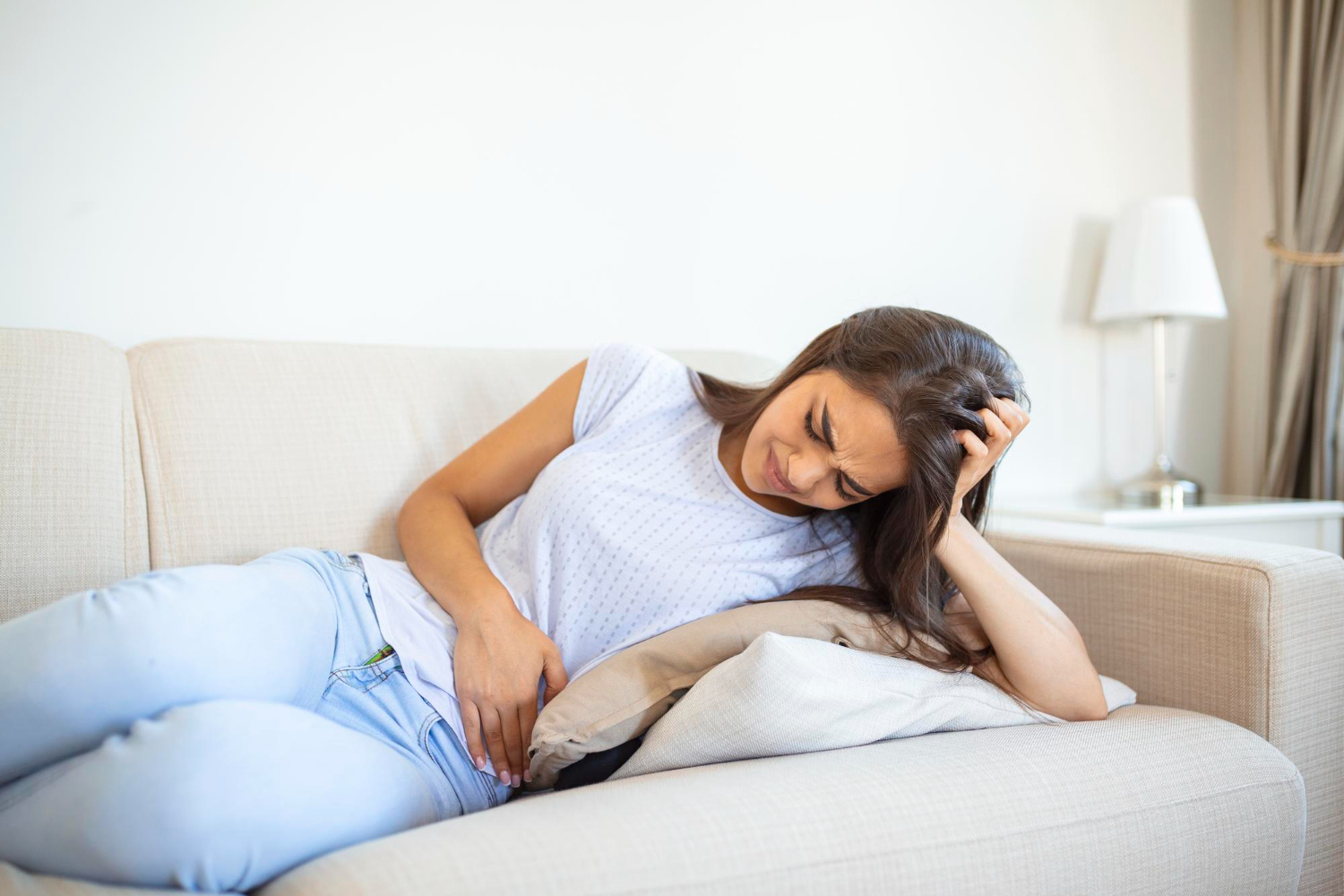
Understanding Painful Periods
Dysmenorrhea is the medical term for painful menstrual cramps that occur before or during menstruation. Many women experience some discomfort during their periods, but severe or persistent pain can interfere with daily activities, work, studies and overall well-being.
Menstrual cramps commonly occur because the uterus contracts to shed its lining. These contractions are influenced by substances called prostaglandins. Higher levels may contribute to stronger contractions and more intense discomfort.
At Radical Homeopathy, consultations for painful periods focus on understanding the nature of the pain, menstrual patterns, associated symptoms and the patient’s overall reproductive health.
Common Signs and Symptoms
Women experiencing dysmenorrhea may notice:
Cramping or throbbing pain in the lower abdomen
Lower back pain that may extend towards the thighs
Pain beginning shortly before or during menstruation
Nausea or vomiting
Loose stools or digestive discomfort
Headaches and dizziness
Fatigue and general weakness
Difficulty carrying out normal daily activities
Types and Possible Causes
Primary dysmenorrhea occurs without an underlying pelvic condition and is commonly associated with menstrual prostaglandin activity.
Secondary dysmenorrhea is caused by an underlying reproductive health condition. Possible causes include:
Endometriosis
Adenomyosis
Uterine fibroids
Pelvic inflammatory disease
Certain structural abnormalities of the reproductive system
Pain that becomes progressively worse, begins later in life or occurs outside menstruation should be medically assessed.
Our Consultation Approach
A consultation may include a review of:
Menstrual cycle length and regularity
Duration and severity of menstrual pain
Amount of menstrual bleeding
Previous pregnancies and reproductive history
Associated digestive, urinary or pelvic symptoms
Previous scans, investigations and treatments
Depending on the findings, a gynaecologist may recommend a pelvic examination, ultrasound or additional investigations.
Managing Menstrual Discomfort
Treatment depends on the underlying cause and severity of symptoms. Common evidence-based options may include:
Appropriate pain-relief medication recommended by a clinician
Heat application to the lower abdomen
Regular physical activity as tolerated
Adequate hydration and sleep
Medical treatment for an underlying reproductive condition
Personalised follow-up helps assess whether symptoms are improving and whether further evaluation is needed.
Homeopathy has not been proven to provide reliable treatment for dysmenorrhea or its underlying causes. It should not replace appropriate medical care.
When to Seek Medical Attention: Consult a gynaecologist if period pain is severe, worsening, associated with heavy bleeding or affecting everyday life. Sudden severe pelvic pain or fever requires prompt assessment.