
Uterine Fibroids
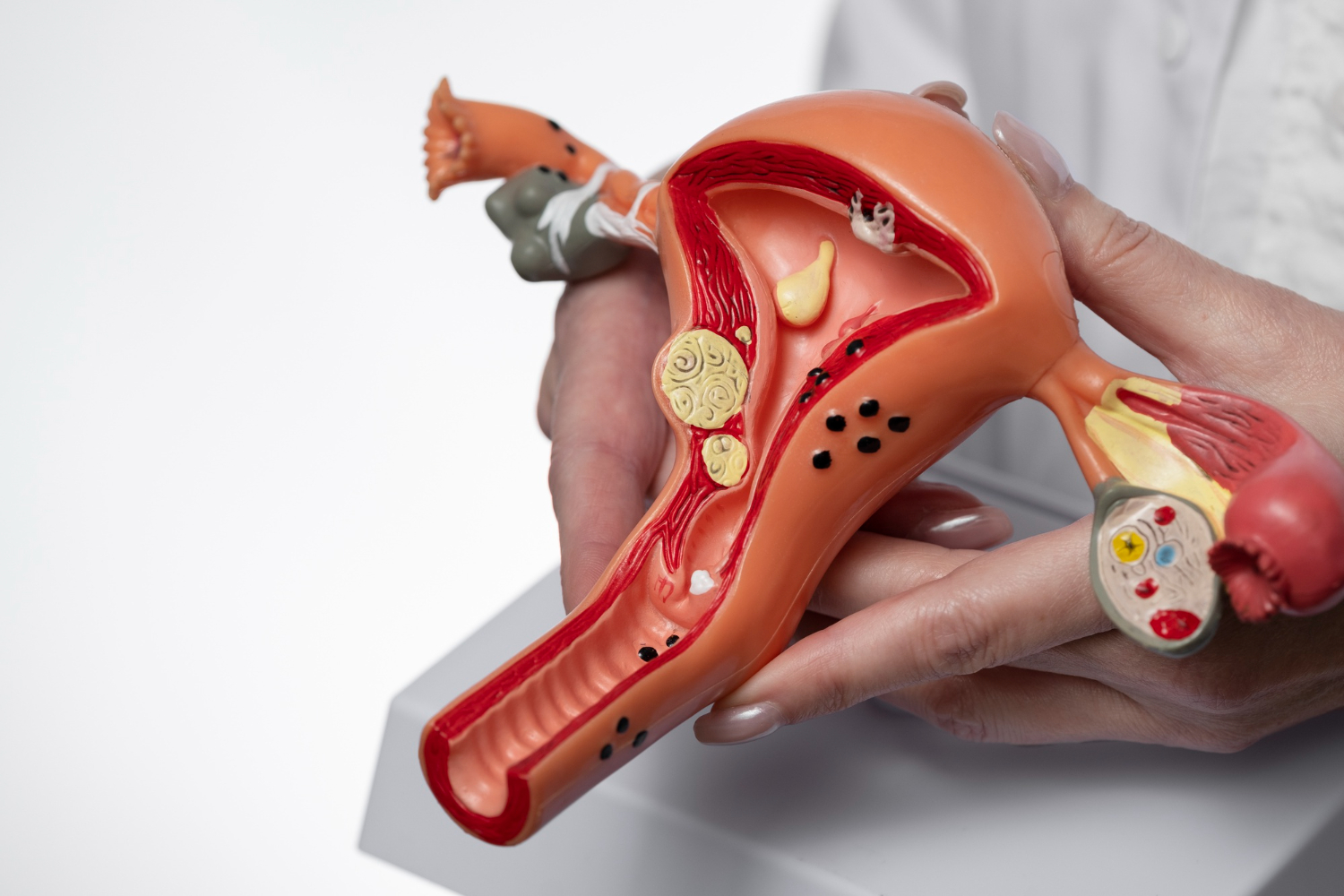
Understanding Uterine Fibroids
Uterine fibroids are non-cancerous growths that develop in or around the muscular wall of the uterus. They are also known as leiomyomas or myomas. Fibroids vary in size, number and location. Some women may have no noticeable symptoms, while others experience heavy menstrual bleeding, pelvic pressure or discomfort.
Fibroids are relatively common during the reproductive years. Their development is influenced by several factors, including hormonal and genetic influences. The appropriate approach to care depends on the symptoms, size and location of the fibroids, age and reproductive plans.
Common Signs and Symptoms
Depending on their size and position, fibroids may cause:
Heavy or prolonged menstrual bleeding
Painful menstrual periods
Pelvic pressure or lower abdominal discomfort
Frequent urination
Lower back pain
Constipation or rectal pressure
Abdominal fullness or bloating
Discomfort during sexual intercourse
Difficulty conceiving in some cases
Heavy bleeding may also contribute to iron-deficiency anaemia, resulting in fatigue, weakness and breathlessness.
Understanding Possible Risk Factors
The exact cause of uterine fibroids is not fully understood. Factors associated with their development include family history, reproductive age and hormonal influences. Not every fibroid requires treatment, and the presence of fibroids does not automatically mean that fertility will be affected.
Our Consultation Approach
At Radical Homeopathy, consultations focus on understanding symptoms, reviewing previous investigations and discussing appropriate next steps. Patients may be asked about:
Menstrual cycle and bleeding patterns
Pelvic discomfort and pressure
Previous pregnancies and fertility plans
Family and medical history
Previous ultrasound scans and treatment records
A gynaecologist may recommend pelvic ultrasound or other investigations to confirm the diagnosis and monitor fibroids.
Available Medical Management Options
Treatment depends on individual circumstances. Options may include:
Monitoring fibroids that are not causing significant symptoms
Medication to manage heavy bleeding or discomfort
Treatment for iron deficiency or anaemia
Minimally invasive procedures
Surgical options when clinically appropriate
Women planning pregnancy should discuss the impact of fibroids and available options with a gynaecologist.
Personalised Follow-Up
Regular follow-up can help monitor symptoms, bleeding patterns and changes in fibroid size where indicated. The goal is to support informed decisions based on each patient’s health and reproductive needs.
Homeopathy has not been shown to reliably shrink or eliminate uterine fibroids. It should not replace recommended monitoring, medication or procedures.
When to Seek Medical Attention: if symptoms are severe, sudden, worsening, or not improving, consult a qualified homeopathic physician at Radical Homeopathy. For emergencies, or serious conditions, seek immediate medical care.”