Childhood Asthma
Understanding Childhood Asthma
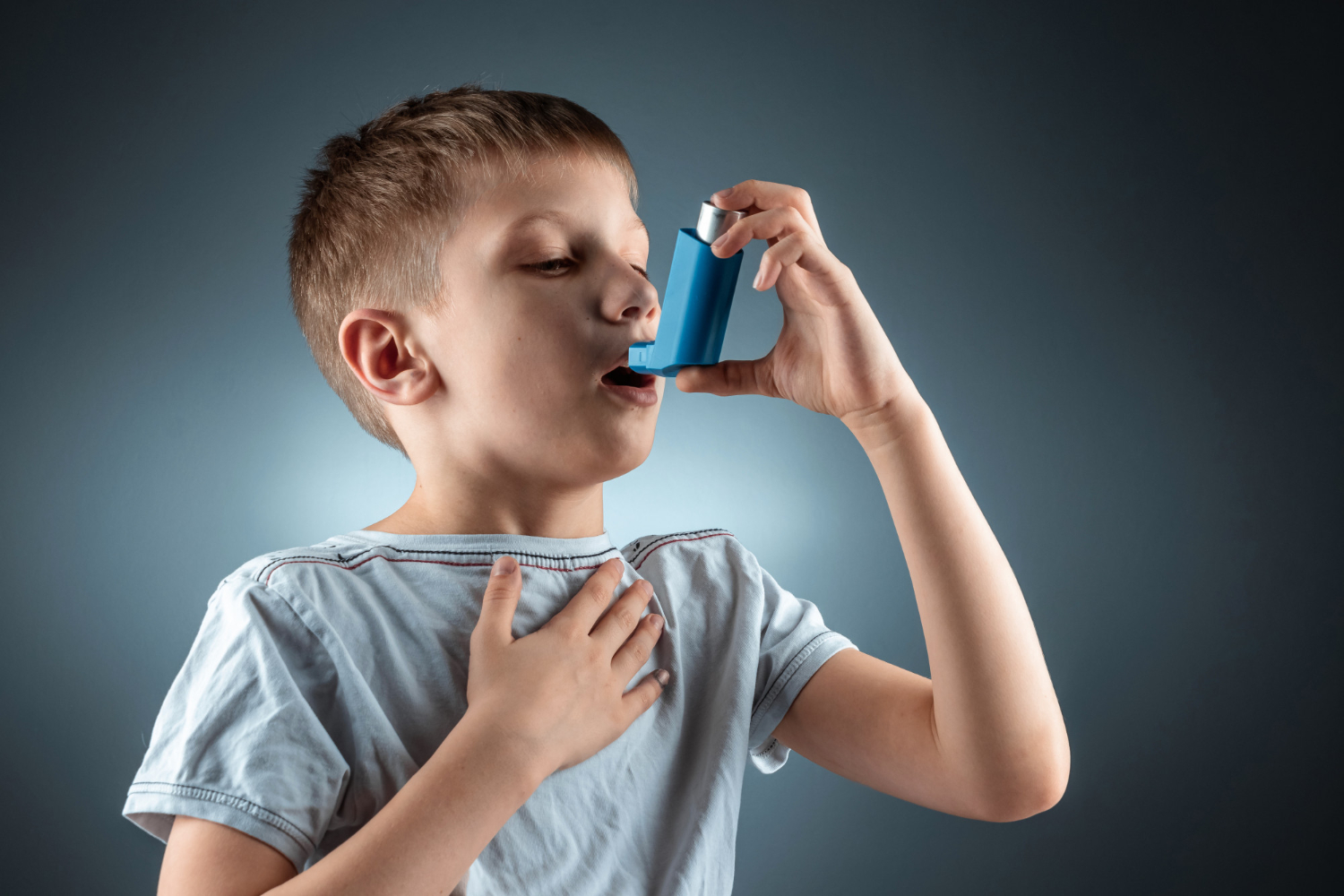
Childhood asthma is a long-term respiratory condition in which the airways become inflamed and sensitive. During an asthma episode, the muscles around the airways may tighten, the airway lining may swell and extra mucus may be produced. This can make breathing difficult.
Asthma symptoms may vary from child to child. Some children experience occasional symptoms, while others need regular treatment and monitoring. With an appropriate medical care plan, many children with asthma can participate in school, sports and everyday activities.
At Radical Homeopathy, consultations for childhood asthma focus on understanding the child’s symptoms, possible triggers, previous episodes and existing treatment. A paediatrician’s assessment is essential for diagnosis and management.
Common Signs and Symptoms
Children with asthma may experience:
Repeated coughing, especially at night or early morning
Wheezing or whistling sounds while breathing
Shortness of breath
Tightness or discomfort in the chest
Coughing during exercise or physical activity
Disturbed sleep due to coughing
Symptoms that worsen during respiratory infections
Symptoms can be triggered by dust, pollen, smoke, pollution, mould, respiratory infections, cold air or exercise.
Understanding Asthma Triggers
Identifying individual triggers can help families reduce avoidable exposure. However, triggers differ between children. A symptom diary may help parents and healthcare professionals understand when episodes occur and what may be contributing to them.
Our Consultation Approach
A consultation may include:
Reviewing the child’s breathing and coughing history
Discussing the frequency and severity of asthma episodes
Identifying possible environmental triggers
Reviewing previous hospital visits and treatment
Checking inhaler technique and medication use
Reviewing the child’s activity and sleep patterns
Depending on age and clinical findings, a doctor may recommend lung function testing or other assessments.
Asthma Management and Ongoing Care
Evidence-based asthma management may include:
Prescribed controller medication to reduce airway inflammation
Reliever medication for symptoms as directed
Correct inhaler and spacer technique
A written asthma action plan
Regular medical reviews
Trigger management and appropriate vaccinations
Parents should never stop prescribed inhalers or other asthma medication without medical advice.
Helping Children Stay Active
With appropriate asthma management, most children can enjoy physical activity and participate in school activities. Parents, teachers and caregivers should understand the child’s asthma action plan and know what to do during an episode.
Homeopathy has not been proven to control asthma or prevent asthma attacks. It must never replace prescribed inhalers or emergency treatment.
When to Seek Medical Attention: if symptoms are severe, sudden, worsening, or not improving, consult a qualified homeopathic physician at Radical Homeopathy. For emergencies, or serious conditions, seek immediate medical care.”