Low Libido (Male & Female)
Understanding Low Libido
Libido refers to a person’s interest or desire for sexual activity. Sexual desire naturally varies between individuals and can change throughout life. A temporary reduction in interest is not necessarily a medical problem. However, a persistent change that causes personal distress or affects a relationship may deserve professional attention.
Low libido can affect both men and women. It may be influenced by physical health, hormones, emotional well-being, relationship circumstances, medications and lifestyle factors. There is no single level of sexual desire that is considered normal for everyone.
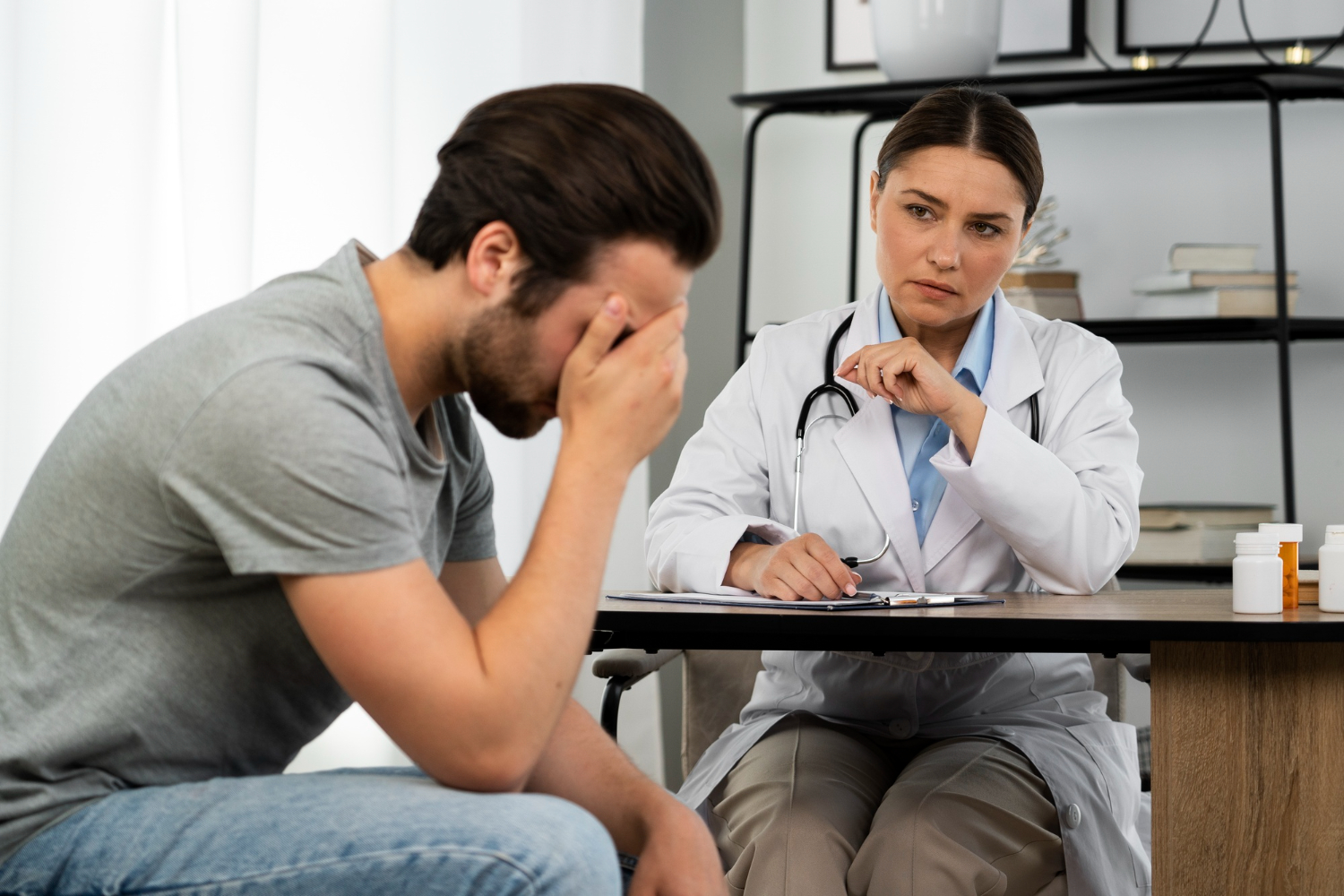
At Radical Homeopathy, consultations for low libido focus on understanding the patient’s concerns in a private, respectful and non-judgemental environment.
Common Signs and Symptoms
People experiencing reduced sexual desire may notice:
Less interest in sexual activity
Reduced frequency of sexual thoughts or initiation
Difficulty feeling interested in intimacy
Changes in arousal or sexual response
Reduced confidence or concerns about performance
Emotional distance or relationship stress
A noticeable change from their usual level of desire
Low libido is different from erectile dysfunction in men and vaginal dryness or pain in women, although these concerns may occur together.
Possible Causes and Contributing Factors
Several factors may affect sexual desire, including:
Stress, anxiety and depression
Relationship difficulties
Fatigue and inadequate sleep
Hormonal changes
Menopause or postpartum changes
Thyroid disorders
Diabetes and other chronic conditions
Certain prescription medications
Pain during intercourse
Alcohol or substance use
In men, low testosterone may be a contributing factor in some cases. In women, hormonal changes, vaginal discomfort and other health concerns may influence desire.
Our Consultation Approach
A confidential consultation may include:
Understanding when the change in desire began
Reviewing physical and emotional health
Discussing sleep, stress and lifestyle
Reviewing medications and existing medical conditions
Discussing hormonal or reproductive health history
Understanding whether pain or sexual difficulties are also present
A healthcare professional may recommend blood tests or further evaluation depending on the patient’s symptoms.
Personalised Care and Management
Management depends on the underlying cause. Options may include:
Reviewing medications with the prescribing doctor
Treating relevant medical or hormonal conditions
Addressing sleep difficulties and stress
Psychological or relationship counselling
Treatment for pain, dryness or other sexual health concerns
Lifestyle changes that support general well-being
Patients should not stop prescribed medication or take hormone products without medical advice.
Confidential Support
Sexual desire is personal, and changes should be discussed without pressure or judgement. A supportive consultation can help patients understand possible contributing factors and explore suitable care options.
Homeopathy has not been proven to reliably restore libido or correct hormonal imbalances. It should not replace medical evaluation or evidence-based treatment.
When to Seek Medical Attention: if symptoms are severe, sudden, worsening, or not improving, consult a qualified homeopathic physician at Radical Homeopathy. For emergencies, or serious conditions, seek immediate medical care.”